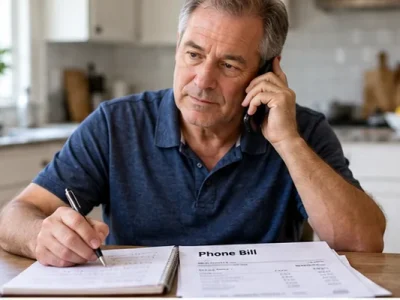
Help paying your electric bill starts in three places: your utility, your state energy office and local charities.
Below you will see which door to knock on first, what to have ready and how to avoid a shutoff while you wait.
Read to the end for the step by step and the questions most people ask before applying.
Where to get help paying an electric bill
The fastest help paying an electric bill comes from your own utility company. Next come the federal Low Income Home Energy Assistance Program (LIHEAP) and local nonprofit funds.
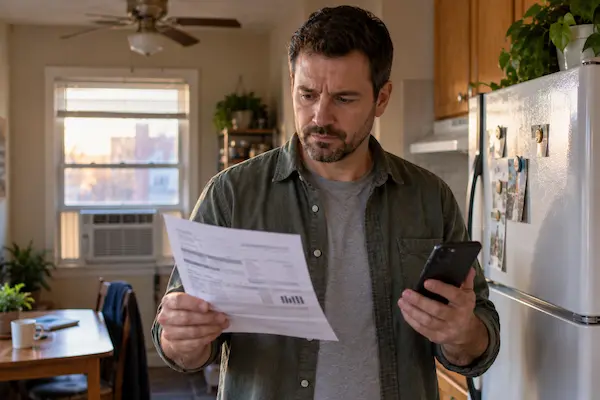
Each source works differently. Your utility can spread a past due balance over several months, delay a shutoff or enroll you in a discount rate. LIHEAP, which is run by the Administration for Children and Families inside the U.S. Department of Health and Human Services, pays part of the bill for eligible households. Charities and community action agencies often cover a one time emergency.
The table below sums up the main options and what each one is good for.
| Source | What it can do |
|---|---|
| Your utility | Payment plan, shutoff delay, discount rate, budget billing |
| LIHEAP (state office) | Pays part of heating or cooling costs, crisis help |
| Weatherization program | Free home upgrades that lower future bills |
| Charities and 211 | One time emergency grants, referrals |
| State utility commission | Shutoff protection rules, complaints |
According to USA.gov, LIHEAP can help you pay heating or cooling bills or get emergency services during an energy crisis. Applications go through your state. USA.gov also lists the Weatherization Assistance Program, which funds home improvements that cut energy costs for qualifying households.
Knowing the doors is one thing. Knowing which one to open first depends on how far behind you are, and that is where the next section starts.
What being behind on the bill really costs you
A past due electric bill grows faster than most people expect, because late fees, reconnection charges and deposits pile on top of the original balance.
Picture a household that misses one summer bill. The next statement carries two months plus a late fee. A shutoff notice arrives, and to restore service after a disconnection, many utilities charge a reconnection fee and may demand a new deposit. That is an illustrative example, but the pattern is common enough that every state utility commission publishes rules about it.
The way out is to act before the shutoff date, not after. A utility that hears from you early can usually offer a plan. A utility that has already disconnected you has fewer options and more fees. The same logic applies to LIHEAP: many state offices open applications on a set date and close when funds run out, so early applicants have a better chance.
⚠️ Watch out: no government program will call, text or email you asking for a fee or a gift card to “release” energy assistance. That is a scam.
Before you call anyone, it helps to know whether you are likely to qualify. Here is how eligibility usually works.
Who may qualify for electric bill assistance
You may qualify for electric bill assistance if your household income falls under a limit set by your state. Some households qualify automatically because they already receive another benefit.
The Administration for Children and Families explains that LIHEAP eligibility is based on the federal poverty guidelines and on state median income. Each state, tribe and territory sets its own limit within those federal rules. The exact dollar amounts change every year and differ by household size, so this article does not print them. Check the current figure with your state LIHEAP office or the LIHEAP Clearinghouse before you apply.
According to the National Council on Aging, many states treat some households as automatically eligible. That covers homes already receiving SNAP, Supplemental Security Income (SSI) or Temporary Assistance for Needy Families (TANF). Renters can apply, not only homeowners, and in many states you can apply even if utilities are included in your rent.
Whatever the program, you will be asked for proof. Gather these items before you start:
With the paperwork in hand, the process itself is short. The steps below follow the order that gets results fastest.
How to get help paying your electric bill step by step
You need your latest bill, your income documents and about an hour to make the calls and fill out the forms.
- 1Call your utility using the number on the bill. Ask for a payment arrangement, a shutoff hold and any low income rate they offer.
- 2Find your state LIHEAP office through the LIHEAP Clearinghouse search tool or by calling the National Energy Assistance Referral (NEAR) line at 1-866-674-6327.
- 3Submit the LIHEAP application online, by mail or in person, depending on your state, and attach every document from the list above.
- 4Ask about crisis assistance if you already have a shutoff notice, because many states process those cases faster.
- 5Dial 211 to reach local charities, community action agencies and church funds that cover emergencies LIHEAP cannot.
- 6Apply for weatherization through your state’s Weatherization Assistance Program office so next year’s bills are lower.
The most common mistake is waiting for the LIHEAP decision before calling the utility. Do both at once. The second mistake is sending an incomplete application, which can push you to the back of the line. If a program says no, ask why in writing, because a missing document is often the only reason.
Frequently asked questions about electric bill assistance
These are the questions people ask most often when they search for help with a power bill.
How do I find pay electric bill assistance near me?
Start with the LIHEAP Clearinghouse state search tool or the NEAR line at 1-866-674-6327, then dial 211 for local charities. Your utility’s website usually has a page listing every assistance program it accepts.
Can the electric company shut off my power if I applied for help?
Rules vary by state. USA.gov notes that each state sets its own disconnection policies, often based on weather, age and disability. Tell the utility you have a pending application and ask for a hold in writing.
Does LIHEAP pay the whole electric bill?
Usually not. The program is designed as partial, short term help with energy costs, according to the National Council on Aging. Combine it with a utility payment plan to cover the rest.
Can I get help paying my electric bill if I rent?
Yes, renters can apply for LIHEAP and most utility programs. If the bill is in your landlord’s name, ask your state office how to document that you pay for energy as part of rent.
How long does it take to get electric bill assistance?
It depends on your state and the season. Crisis cases with a shutoff notice are often handled within days, while regular applications can take weeks. Applying early in the program year helps.
Is there help for cooling bills, not just heating?
Yes. The Administration for Children and Families states that LIHEAP covers heating or cooling costs. Summer cooling programs exist in many hot weather states, sometimes with a separate application window.
Other bill programs we cover
Electric bills are one piece of a bigger picture. This site exists to explain the programs that help with the rest of it in plain language.
The same household that needs help with power often qualifies for a phone discount through the Lifeline program. Weatherization upgrades and water or internet assistance from local providers may also apply. Each of those programs has its own rules, forms and deadlines, and each one is covered in its own guide in our social programs section.
Every guide follows the same rules: facts come from the agency that runs the program, and amounts that change every year are left to the official source. You are always told where to confirm the details. Read them the way you would read a bill with a friend who checks the fine print for you.
ℹ️ How we checked this information: program facts in this article come from the Administration for Children and Families LIHEAP page, USA.gov’s page on help with energy bills and the National Council on Aging’s LIHEAP guide, all reviewed during this update.
Make the first call today
Getting help paying an electric bill comes down to one action you can take right now: call the utility, then find your state LIHEAP office.
You do not need to have every answer before you pick up the phone. You need the bill, a rough idea of household income and the willingness to ask for a payment plan. Everything else, from crisis funds to weatherization, builds on that first conversation.
Keep this guide open while you gather documents, work through the six steps in order and note the name of everyone you speak to. When the next bill arrives, you will be dealing with a plan instead of a shutoff notice.
ℹ️ Important: en.amucc.com.br is an independent site, not affiliated with any government agency or company mentioned. Eligibility is not certain, and program rules, income limits and deadlines change; always confirm details with your state LIHEAP office or your utility.